Tracing Influences of Bonus Structures on Live Dealer Participation Rates Across Device Ecosystems
Harper Long · Nov 7, 2026
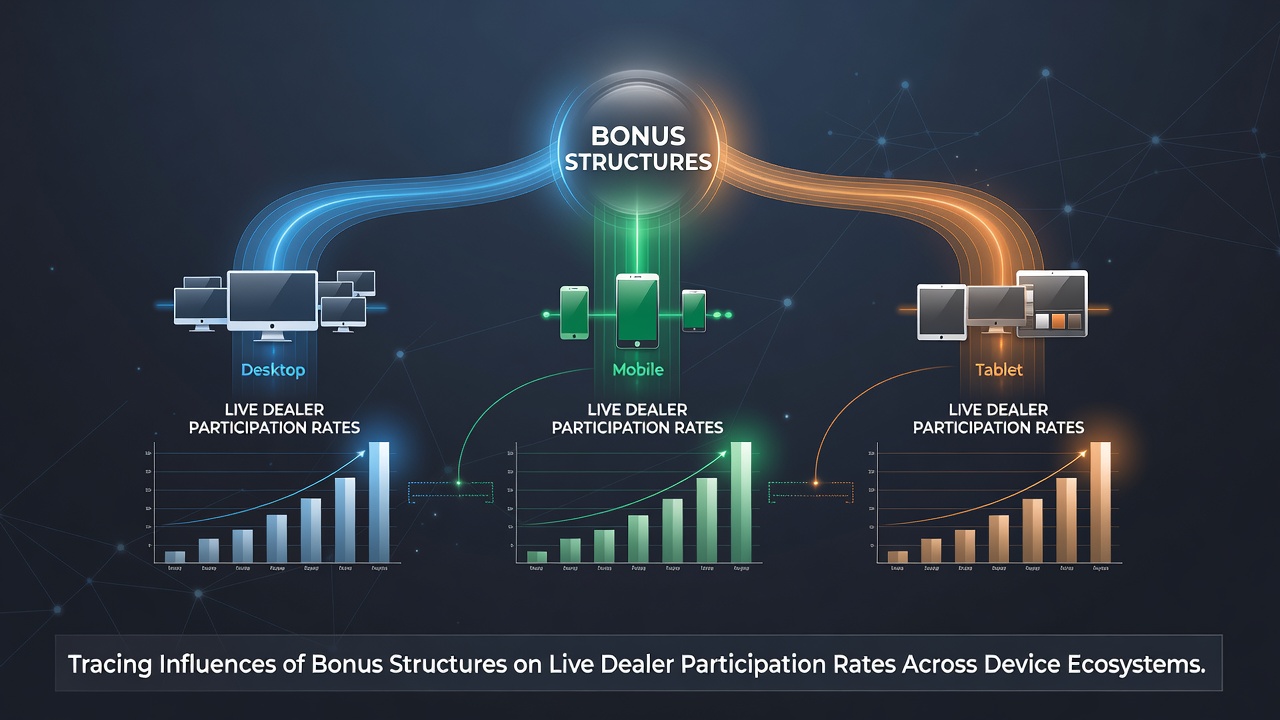
Tracing Influences of Bonus Structures on Live Dealer Participation Rates Across Device Ecosystems
Live dealer games continue to expand within regulated online gambling markets, and bonus structures represent one variable that operators adjust to shape player engagement across platforms. Data collected through 2026 shows measurable differences in participation rates tied to how welcome bonuses, reload offers, and loyalty rewards align with device-specific behaviors. Researchers tracking multi-platform activity note that mobile sessions often respond more readily to time-limited deposit matches, whereas desktop users demonstrate steadier uptake when cashback tiers accumulate over longer periods.
Bonus Structures and Their Design Elements
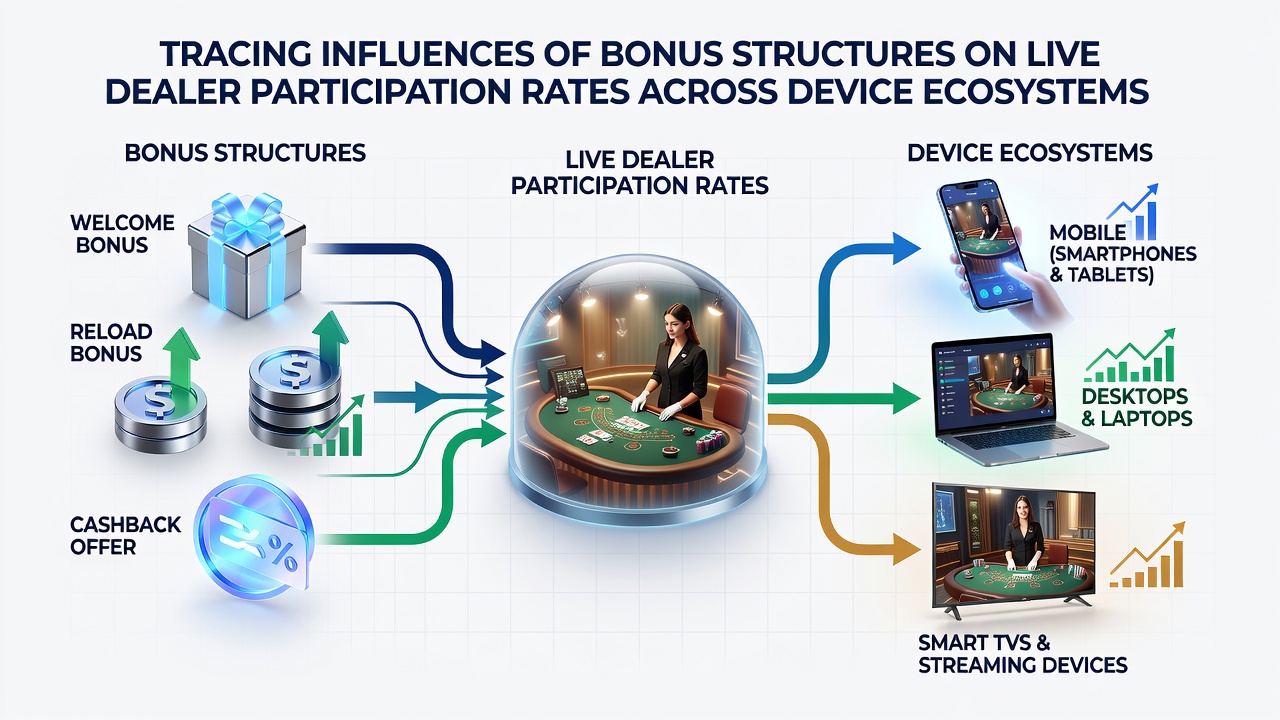
Operators typically layer several bonus components together, including percentage-based deposit matches, free bet credits, and wagering requirement thresholds. These elements interact with live dealer formats such as blackjack, roulette, and baccarat, where real-time interaction adds another layer of complexity compared with automated slots. Figures from industry monitoring services reveal that bonus offers capped at lower wagering multiples tend to correlate with higher completion rates on tablet devices, while higher-value match bonuses with extended playthrough conditions appear more frequently in desktop engagement logs. Analysts have observed that device ecosystems influence not only session length but also the moment when players redeem or abandon a bonus.
Device Ecosystems and Participation Patterns
Participation data segmented by operating system and screen size highlights distinct trends. Mobile users on iOS and Android platforms show elevated entry into live dealer tables during evening hours when push notifications accompany bonus activations. Tablet sessions, often associated with longer dwell times, register stronger responses to tiered loyalty points that unlock table access or reduced commission rates. Desktop environments continue to support higher average bet volumes once players clear initial bonus hurdles. A report issued by the American Gaming Association in November 2026 documented these cross-device variations through aggregated operator data submitted from multiple U.S. states.
Studies conducted by academic teams at institutions focused on digital media consumption have examined how interface friction on smaller screens interacts with bonus visibility. When bonus terms display prominently within mobile apps, conversion from lobby browsing to active table seating increases. Desktop interfaces, by contrast, allow simultaneous viewing of multiple tables and bonus trackers, which researchers link to different retention curves once initial deposit bonuses are claimed.
Evidence from Market Data and Regulatory Reports
Regulatory filings from the Ontario iGaming Corporation and similar bodies in other jurisdictions provide further granularity. Participation logs indicate that bonus structures offering device-specific incentives, such as mobile-only free spins redeemable at live dealer tables, produce measurable lifts in cross-platform migration. Data compiled through the third quarter of 2026 shows mobile live dealer tables capturing a larger share of bonus-driven traffic than desktop equivalents during promotional windows. Yet desktop participation stabilizes when operators introduce cashback programs that reset weekly regardless of device.
One longitudinal review of European operators, referenced in materials from the European Gaming and Betting Association, tracked how changes to bonus wagering requirements affected session counts across ecosystems. Adjustments that lowered playthrough thresholds on mobile correlated with shorter but more frequent visits, while desktop users maintained consistent session durations under the same revised terms. These patterns suggest the interaction between bonus design and device preference operates through multiple pathways rather than a single causal route.
Case Observations Across Regions
Operators in New Jersey and Pennsylvania markets have tested segmented bonus campaigns that differentiate by device at registration. When mobile registrants receive accelerated bonus credit upon first live dealer deposit, early participation metrics rise relative to desktop cohorts receiving the same nominal value through standard channels. Canadian provincial data similarly records elevated live dealer table occupancy on tablets when loyalty bonuses include hardware-specific perks such as reduced latency claims or priority seating. Observers note that these regional experiments continue to feed broader industry datasets used by research groups to model future participation forecasts.
Conclusion
Bonus structures exert documented influence on live dealer participation rates, and the magnitude of that influence shifts according to the device ecosystem in which players engage. Aggregated statistics through late 2026 illustrate consistent differences between mobile, tablet, and desktop responses to deposit matches, loyalty tiers, and wagering conditions. Regulatory bodies and industry associations continue to compile these metrics, supplying operators with evidence to refine bonus parameters while maintaining compliance across jurisdictions. The interplay between incentive design and platform behavior remains a measurable component of live dealer market dynamics.