Shifts in Loyalty Reward Structures Across Licensed Digital Gaming Networks and Their Ties to Multi-Currency Transaction Flows
Erik Werner · Oct 24, 2026
Shifts in Loyalty Reward Structures Across Licensed Digital Gaming Networks and Their Ties to Multi-Currency Transaction Flows
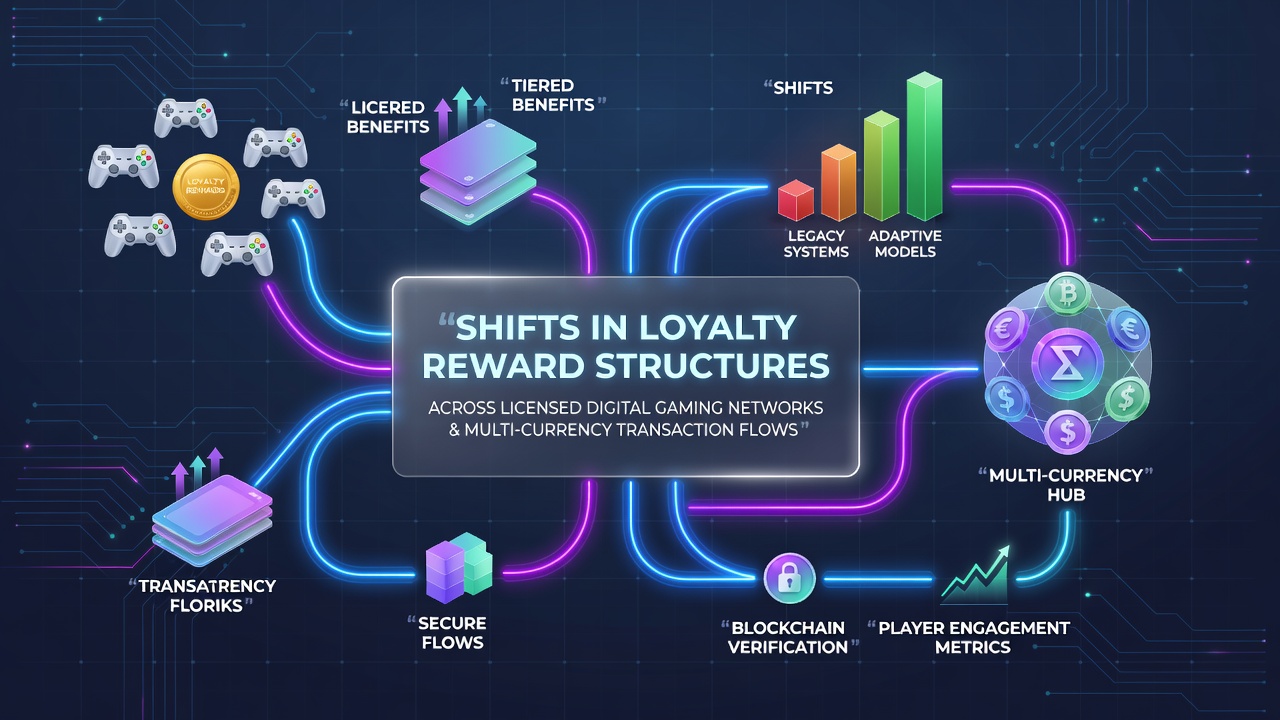
Digital gaming networks have adjusted loyalty reward structures over recent years as operators integrate multi-currency transaction systems to accommodate players across different regions, and data from October 2026 shows continued movement toward tiered programs that track activity in both fiat and digital currencies. Licensed platforms now link reward accumulation directly to transaction flows that cross currency boundaries, which allows users to earn and redeem points based on deposits, bets, and withdrawals processed in varying monetary units.
Changes in Reward Accumulation Methods
Operators have moved away from simple point-per-dollar models toward systems that factor in currency conversion rates and transaction volumes at the time of play, while researchers note that this adjustment stems from increased use of multiple payment rails on the same account. Platforms record each deposit in its original currency yet convert the value into a standardized loyalty metric, and this process supports consistent reward eligibility regardless of whether a player uses euros, dollars, or other denominations. Studies from regulatory bodies indicate that such conversions occur in real time through integrated payment processors, which reduces discrepancies in point awards across sessions.
Integration with Multi-Currency Transaction Systems
Multi-currency flows now feed directly into loyalty calculations because operators must handle deposits and withdrawals that originate from different jurisdictions, and transaction logs from October 2026 reveal higher volumes of cross-border activity on licensed networks. When a player switches currencies mid-session the system logs the exchange rate at that moment, then applies the adjusted amount to the loyalty balance, which maintains fairness while complying with regional financial rules. Industry reports highlight that this linkage reduces manual reconciliation tasks for operators and supports automated bonus triggers based on cumulative converted values.
Regional Regulatory Influences
Regulators in various markets have required clearer disclosure of how currency conversions affect reward rates, and platforms respond by publishing detailed ledgers that show point accrual before and after any exchange. The Alcohol and Gaming Commission of Ontario has documented cases where operators updated their loyalty engines to display conversion impacts at the point of transaction, which helps players understand final reward outcomes. Similar requirements appear in reports from the Australian Gambling Research Centre, where analysts tracked how multi-currency support influences player retention metrics across state-licensed sites.
Impact on Player Behavior and Platform Operations
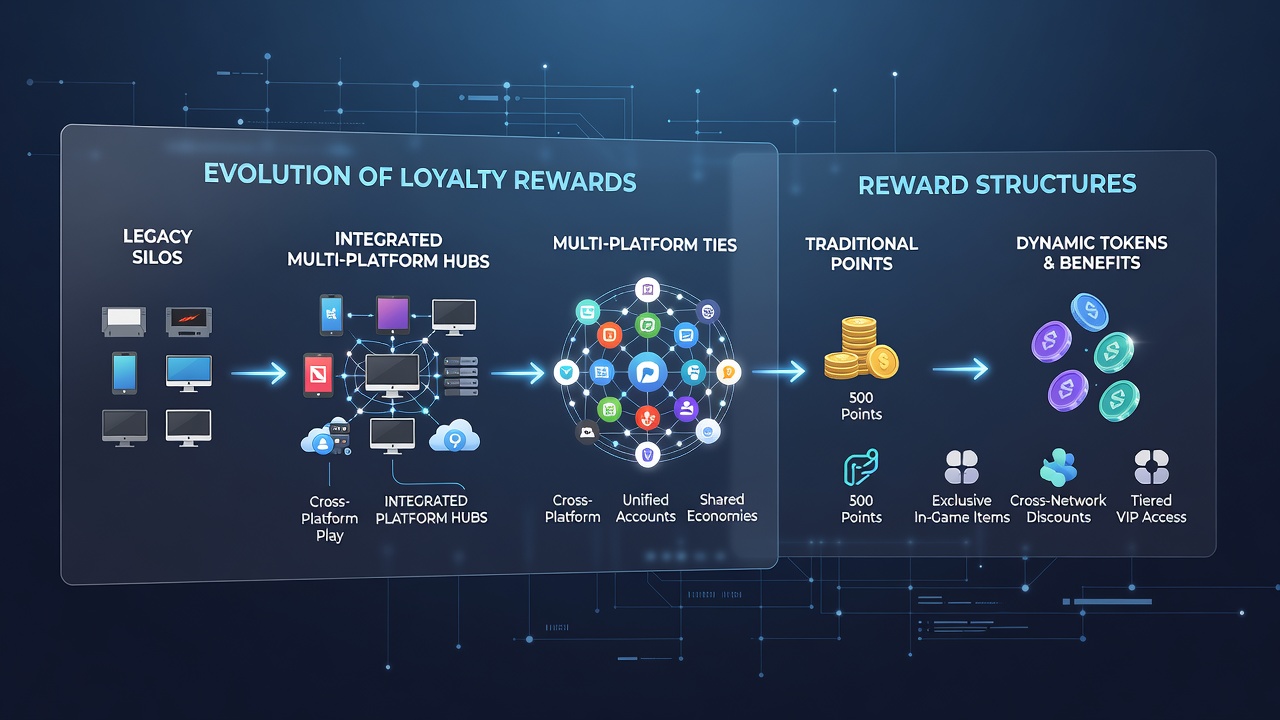
Players who maintain balances in more than one currency often reach higher loyalty tiers faster because their total converted activity counts toward thresholds, and platform data from October 2026 indicates measurable increases in session frequency among multi-currency users. Operators adjust reward redemption options accordingly, allowing points earned through one currency to be spent on bonuses denominated in another, which streamlines the overall experience while keeping internal accounting aligned with licensing conditions. Technical teams implement APIs that synchronize loyalty databases with payment gateways, ensuring that every transaction updates both the financial record and the reward profile without separate manual entry.
Technical Adjustments in Network Architecture
Backend systems now incorporate currency-agnostic loyalty engines that treat each transaction as a normalized value before applying reward multipliers, and this architecture supports rapid scaling as new payment methods enter licensed markets. Developers test these engines against historical transaction sets to verify that point awards remain consistent even when exchange rates fluctuate during peak hours. Network administrators report that audit trails capture both the original currency amount and the converted loyalty value, which satisfies reporting obligations to oversight bodies in multiple jurisdictions.
Future Directions for Loyalty and Currency Integration
Developers continue to refine algorithms that predict reward eligibility based on projected multi-currency flows, and preliminary models from October 2026 testing show improved accuracy in forecasting tier advancement. Licensed networks explore options to incorporate emerging digital assets into the same loyalty framework, provided they meet existing compliance standards for transaction monitoring. Observers note that these ongoing modifications keep reward structures responsive to changes in global payment landscapes without requiring complete overhauls of existing player accounts.
Conclusion
Loyalty reward structures in licensed digital gaming networks have become closely intertwined with multi-currency transaction processing, as operators adapt systems to record activity across different monetary units and apply consistent reward rules. Data collected through October 2026 demonstrates that these adjustments support regulatory compliance while enabling players to accumulate and redeem benefits based on converted values. Continued technical and procedural refinements ensure that loyalty programs remain functional as transaction flows diversify across licensed platforms.