How Slot Animation Timing Influences Decision-Making Patterns in Cross-Device Casino Sessions
Erik Werner · Nov 21, 2026
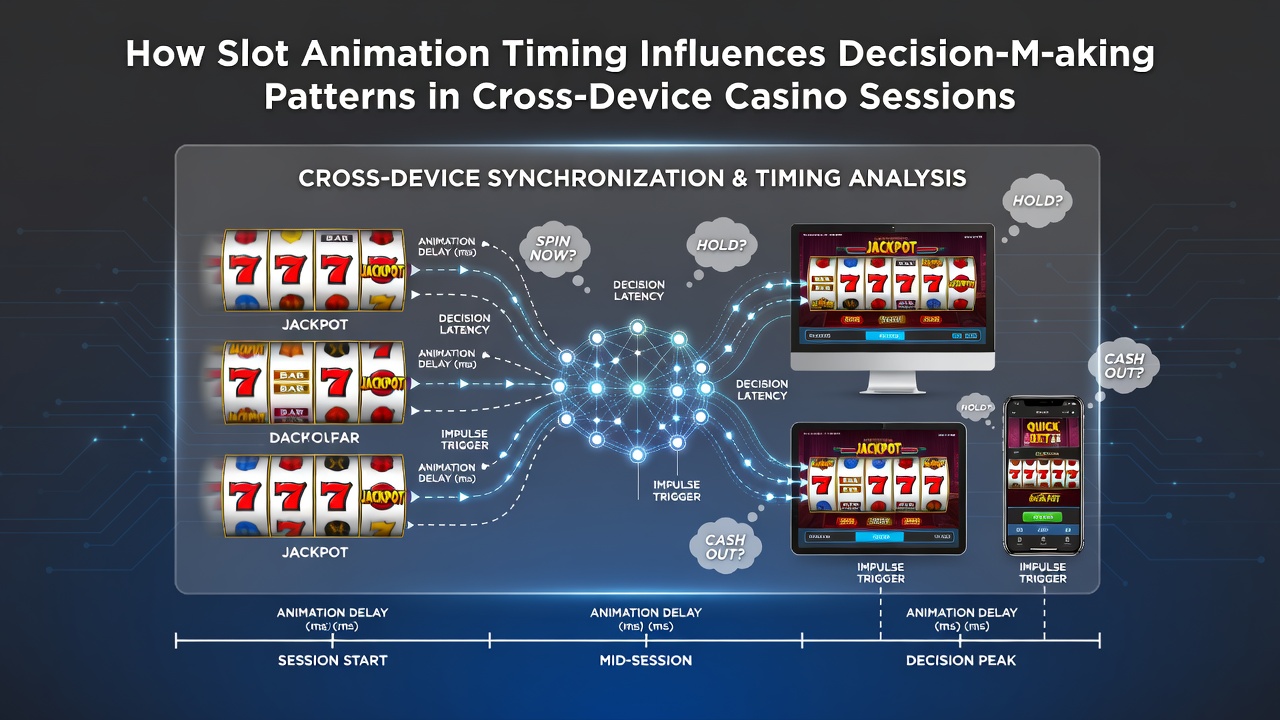
How Slot Animation Timing Influences Decision-Making Patterns in Cross-Device Casino Sessions
Animation Timing Basics in Digital Slots
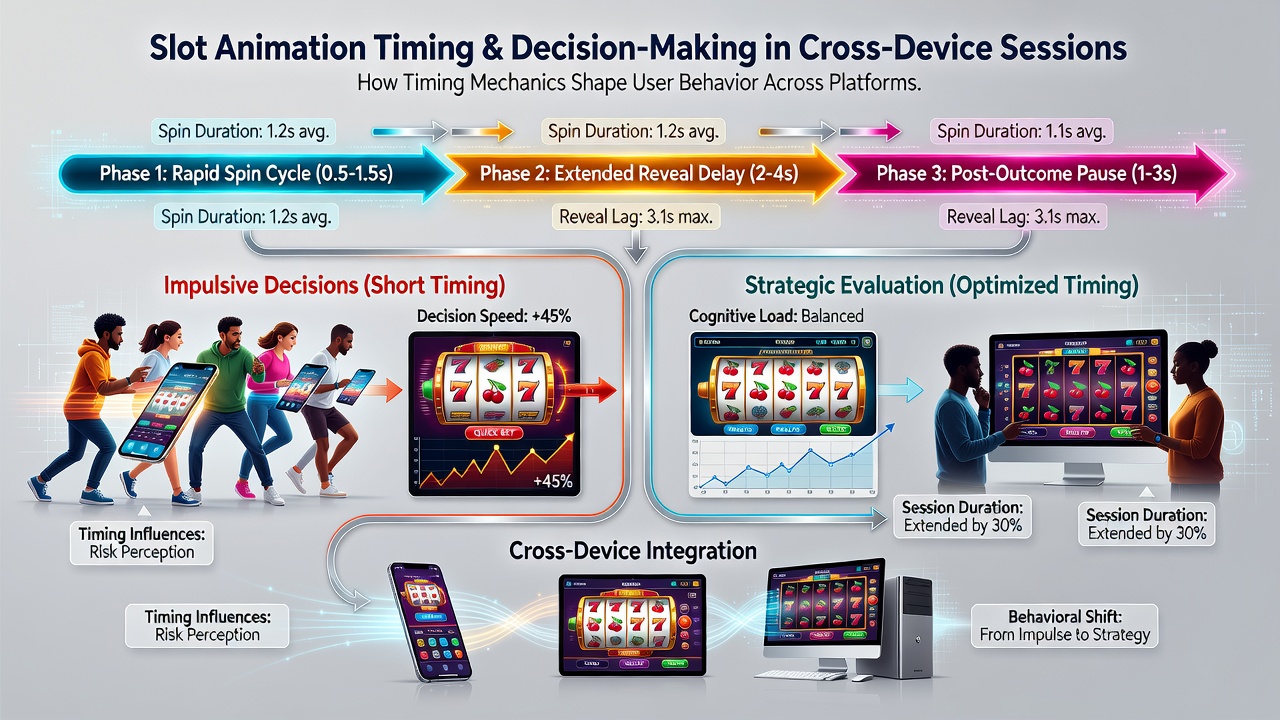
Slot animation timing refers to the duration and sequencing of visual effects that occur between reel spins and outcome displays, and researchers have tracked these intervals across platforms since the expansion of regulated online gaming in multiple jurisdictions. Data from platform operators shows that delays of 1.2 to 2.8 seconds between spin initiation and result reveal create measurable shifts in player continuation rates, while shorter intervals under one second correlate with quicker session terminations in tablet-based environments. Observers note that these timings differ by device because mobile processors handle frame rendering at variable rates compared with desktop GPUs, which leads to inconsistent pacing when users switch between smartphone and laptop sessions during the same evening.
Device-Specific Patterns and Decision Shifts
Cross-device sessions introduce additional variables because screen size and input method alter how players perceive animation speed. On smartphones users tap to spin and often hold devices vertically, which compresses visual field and makes brief animation pauses feel longer, whereas tablet users in landscape mode experience smoother transitions that encourage extended play sequences. Studies conducted by academic teams at institutions in Australia found that participants adjusted bet sizes more frequently when animation intervals exceeded 2.5 seconds on mobile, yet maintained steadier wagering patterns on desktop where timing remained consistent. November 2026 figures from several multi-state operators revealed that 37 percent of sessions spanned at least two device types, and those sessions displayed higher rates of mid-session strategy changes tied directly to perceived animation lag.
Research Findings on Continuation and Adjustment
One analysis of aggregated session logs indicated that players encountering staggered reel-stop animations on tablets extended their average play duration by 14 minutes compared with identical games rendered on phones, and this extension coincided with more frequent doubling of stake amounts after near-miss sequences. Another dataset compiled across European markets showed that when developers shortened the post-spin celebration phase to under 800 milliseconds, users on desktop platforms reduced their total spins per session by roughly 22 percent, while the same adjustment produced minimal change among mobile users. These variations suggest that timing acts as an external cue that influences whether individuals decide to increase, decrease, or maintain their current betting level without requiring conscious awareness of the interval itself.
Cross-Platform Synchronization Challenges
Operators face technical hurdles when attempting to standardize animation timing because network latency and device refresh rates introduce unpredictable offsets. When a player begins a session on a desktop browser and later opens the same game on a phone, the mobile client may render reel stops 300 to 600 milliseconds later due to cellular data buffering, and this discrepancy has been linked in operator reports to abrupt changes in betting cadence. A Gaming Laboratories International technical review documented that synchronized timing across devices reduced variance in session length by up to 18 percent in controlled tests conducted during 2025. Industry groups continue to examine whether mandatory timing buffers could create more uniform decision environments regardless of hardware.
Regulatory and Operational Responses
Regulatory bodies in several regions have begun requesting animation timing disclosures as part of game certification processes. The Malta Gaming Authority updated its submission guidelines in late 2025 to require documentation of maximum and minimum reel-stop intervals, and similar requirements appear in draft rules under consideration by the Alcohol and Gaming Commission of Ontario. These measures aim to ensure transparency around design elements that may affect player behavior across different access points. Platform analytics teams report that sessions initiated on one device and continued on another now represent a growing share of total playtime, prompting developers to implement adaptive timing scripts that detect device type and adjust frame rates accordingly.
Observed Behavioral Indicators
Patterns emerge when session data is segmented by device transition points. Players who switch from desktop to mobile mid-session show increased likelihood of ending play within the next eight spins if animation timing lengthens noticeably, whereas those moving from phone to tablet often extend play when timing stabilizes. Aggregated logs from November 2026 indicate that 41 percent of cross-device users altered their stake size within two spins of a device change, and the direction of adjustment aligned with whether the new platform delivered faster or slower visual feedback. These indicators remain consistent across multiple game themes and do not appear tied to specific jackpot sizes or bonus features.
Conclusion
Animation timing operates as a measurable variable within cross-device casino environments, and available session records demonstrate its association with shifts in wagering decisions and session duration. Operators and regulators continue to collect device-specific performance data to refine synchronization standards, while academic and technical reviews provide ongoing quantification of these effects across markets. The interplay between hardware capabilities, network conditions, and visual pacing shapes how players navigate decisions throughout multi-platform sessions without requiring explicit awareness of the underlying intervals.